It is late November, and the air has that particular cold clarity that makes the kitchen feel like a refuge and the windows look like frames for small, bright scenes—the neighbor stringing lights, steam rising from a distant chimney. I want something that smells like comfort and celebration at once: the sharp sun of orange rind, the gentle milky lull of butter, a whisper of chocolate that feels like a secret tucked into a mitten. Chocolate orange shortbread cookies are the kind of thing you make when you want to fill tins and hands with warmth, when you want a bite that is both childhood memory and new discovery. They keep well, travel well, and unwrap like a small, edible story.
The First Winter Orange
Remember the first time you pared an orange and the zest sprayed bright oil into the air? That scent—orange like sunlight turned into perfume—rearranges a kitchen. For these cookies, I imagine standing at the counter, rubbing a strip of peel between my palms and watching the skin yield tiny, fragrant explosions. Use a firm, glossy orange: the zest will carry all the high notes, and a little of the juice will give a fleeting tang. The orange is not an afterthought; it is the chorus line for the shortbread and chocolate. It brings lift to what could otherwise be a buttery lullaby and keeps the tin from feeling too nostalgia-bound.
The Quiet Alchemy: Dough and Technique
Shortbread asks for a kind of focused slowness. It is not hurried bread; it is a careful negotiation between flour and butter. In the bowl, flour and powdered sugar look like winter snow. A fork pushes softened butter in, and the mix compacts, then loosens into a silken, crumbly dough. Add finely grated orange zest—so fine it is a scent more than a texture—and let it disperse like sunlight through sugar. The dough should hold together if you squeeze it, but not be greasy; that is the test of rhythm and temperature. Chill it briefly so it slices cleanly and keeps its shape, but not so long it resists the warmth of the oven.
Tools and Little Tricks
Use a spatula or your fingertips to keep the dough cool. Freeze the sheet for ten minutes before slicing for razor-clean edges. For the chocolate, choose something with a glossy temperament—70% cocoa will give you a rich snap and a hint of bitterness that plays well with the orange; milk chocolate will be sweeter and softer. Melt in a bowl set over simmering water, or in short bursts in the microwave, stirring frequently. If you want a gleam, stir in a tiny smear of coconut oil to the melted chocolate; if you want a rustic drizzle, let the chocolate be itself.
Ingredients at a Glance
| Ingredient | Amount |
|---|---|
| Unsalted butter, softened | 1 cup (225g) |
| Powdered sugar | 1/2 cup (60g) |
| All-purpose flour | 2 cups (250g) |
| Orange zest (finely grated) | 2 tablespoons |
| Dark or milk chocolate for coating | 6 oz (170g) |
This pared-back list is meant to be a flexible map rather than a rigid law; the balance of orange and chocolate is yours to fine-tune.
Baking, Timing, and That Perfect Snap
Shortbread wants a gentle oven, the kind that coax the butter to melt into the flour without collapsing the cookie. Bake on a pale tray to keep bottoms from darkening; aim for a color like warm sand. They will not puff, but they will firm and take on a faint honeyed edge. Let them cool on the tray until they feel solid to the touch—this is when the crumb settles into that tender, crumbly perfection. Once cooled, dip the edges or half the surface in tempered chocolate, or drizzle with a fork. The chocolate will set with a satisfying whisper of a snap if done right; it’s a small sound but it carries a lot of good news.
Tins, Ribbons, and the Ritual of Giving
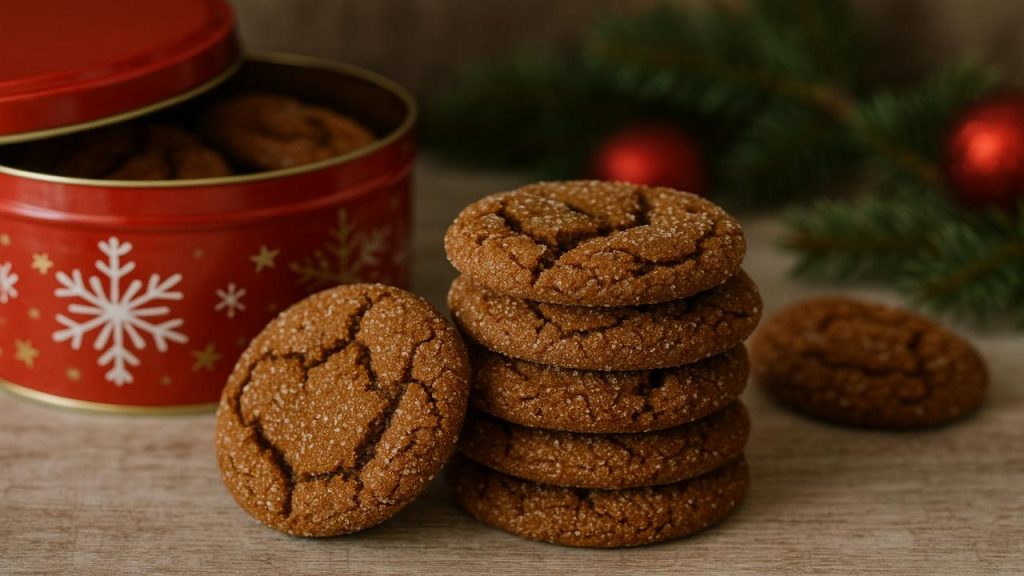
There is something ceremonial about filling a tin. Lay sheets of parchment inside, tuck in sprigs of rosemary (they look like little evergreen branches), or a strip of orange peel for scent. Layer the cookies gently, with a square of wax paper between each tier. A tin will keep these cookies for two weeks in a cool place, and longer in the freezer: pull them out, let them come to room temperature, and they taste like winter’s patience rewarded. Think about the people who will open the tin—the neighbor who waters your plants, the aunt with the laugh that floods a room—and fold that affection into the ribbon. A simple brown paper label handwritten in a looping script says more than an ornate sticker ever could.
When you give these cookies, watch how people hold them. There is a moment of arithmetic—how many to sample, how many to save—and then the small ceremonial first bite, when the orange brightens the butter and the chocolate presses like a little blessing. The best tins are not perfectly arranged; they are slightly jostled, like memories. They arrive at someone’s door with the murmur of a winter kitchen still clinging to them.
Frequently Asked Questions
How long will these cookies keep in a tin?
Stored in an airtight tin at cool room temperature, they keep beautifully for about two weeks. For longer storage, freeze them layered with parchment for up to two months; thaw at room temperature before serving.
Can I make them gluten-free?
Yes. Use a 1:1 gluten-free flour blend that includes xanthan gum, or blend rice flour with a touch of cornstarch and almond flour to maintain tenderness. Texture will change slightly—more crumbly—but the orange and chocolate bridge that gap.
What chocolate pairs best with orange?
Dark chocolate around 60–70% cocoa provides a sophisticated contrast to bright orange zest; milk chocolate yields a sweeter, more comforting bite. Try both and see what your circle prefers.
Any tips for zesting oranges without the bitter pith?
Use a microplane or fine grater and apply light pressure. Zest only the colored part of the rind—the thin, fragrant layer—avoiding the white pith underneath, which is bitter. If you accidentally include pith, scrape it away with a knife.
Can I double the recipe and fill multiple tins?
Absolutely. Shortbread scales well. Mix in batches if your bowl is small, and freeze formed dough logs to slice later. Storing finished cookies between layers of parchment helps keep them pristine during transport.