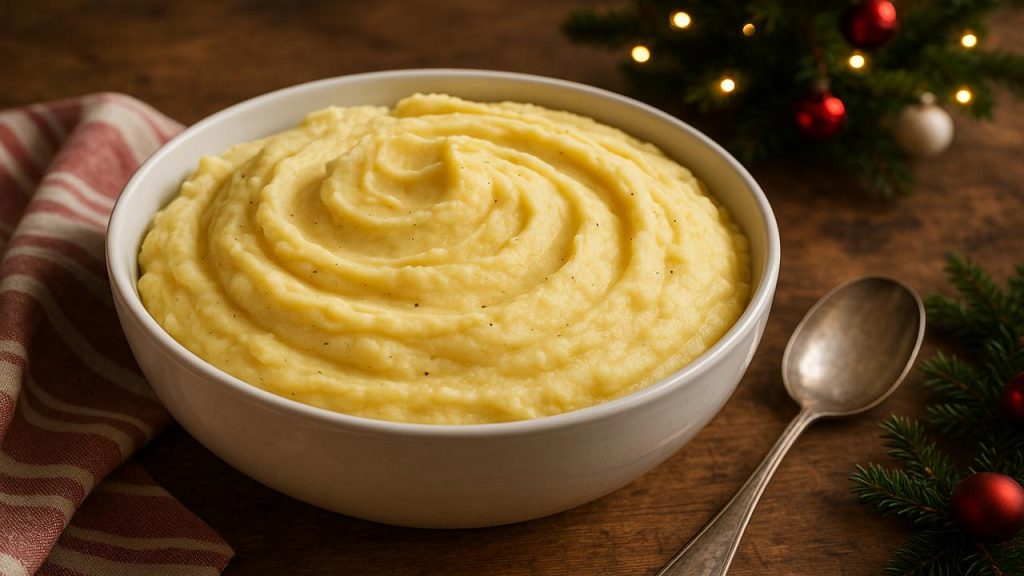
There is a particular hush to a kitchen on the morning of Christmas Eve. Outside, the air pinches at your nose; inside, the house smells faintly of pine and the last cup of coffee. You open a sack of potatoes and feel their cool, dusty skins in your hands — an ordinary, humble feeling that somehow translates into something warm and ritualistic. Make-ahead mashed potatoes are the quiet hero of any holiday table: forgiving, deeply comforting, they let you savor the day instead of standing at the stove while gravy conspired with clocks. This is a guide that moves like a walk through a winter orchard — sensory, calm, practical — showing you how to make creamy, make-ahead mashed potatoes that taste like home and arrive at the table like a promise kept.
Why make-ahead mashed potatoes are a holiday superpower
Think of your Christmas dinner like a small ecosystem. There are big animals to tend — the roast, the turkey, the pie — and then there are the dependable, grounding elements. Mashed potatoes are the forest floor: quietly supporting everything else. Making them a day ahead buys you time, space, and sanity. The steam, the butter-slick surface, the soft islands of rosemary — all of that can be prepared and then gently warmed so they arrive pillowy and perfect. The trick is to preserve texture and flavor without turning them gummy or gluey. With a few deliberate steps, your make-ahead mash will be just as airy and bright as the mashed potatoes you’d make at the last minute, with the bonus of more room on your holiday clock.
Choosing the right potato: a tactile decision
Walk the grocery aisle or farmer’s market and let your hands decide. Yukon Golds have a golden, tender heart and a natural creaminess that requires a little less butter and cream. Russets, with their starchy, fluffy interior, give you an almost cloud-like mash when stirred gently. If you want a mash that sings with butter, choose Yukon Golds; if you want a mash that holds its shape and can be whipped to lofty peaks, reach for Russets. Either way, look for potatoes that are firm and smooth, not wrinkled or sprouting. The tactile act of choosing potatoes — feeling their roundness, smelling the faint earth — is part of what turns a recipe into a ritual.
The step-by-step make-ahead method
Begin early enough that the kitchen smells of boiling water and butter without any last-minute panic. Wash and peel the potatoes, then cut them into even chunks — think uniform bites rather than a chaotic mismatch. Cover them with cold water, bring to a gentle boil, and simmer until a knife slides through like through soft butter. Don’t overcook; you want them fork-tender, not waterlogged. Drain thoroughly and return them to the pot briefly over low heat — this helps release trapped steam and dries them slightly for a fluffier mash.
Now the part that feels like alchemy: add soft butter, warmed cream (or a combination of cream and milk), and a pinch of salt. Mash with a traditional masher for rustic texture or press through a ricer for silk. If you’re using a stand mixer or hand mixer, go gently — overworking starch makes glue, not clouds. For a version that wakes up like the first snow, fold in a spoonful of crème fraîche or sour cream and a gentle fold of roasted garlic. Portion into a buttered shallow baking dish, smooth the top, and dot with butter. Cool slightly, then cover tightly and refrigerate. The potatoes can rest overnight, and their flavors will knit together and mellow like the best holiday conversations.
| Ingredient | Amount (serves 8) | Notes |
|---|---|---|
| Yukon Gold or Russet potatoes | 3–4 lbs (1.5–2 kg) | Choose Yukon for creaminess, Russet for fluff |
| Butter | 6–8 tbsp (85–115 g) | Room temperature, plus extra for dotting |
| Heavy cream or milk | 3/4–1 cup (180–240 ml) | Warm before adding |
| Salt | 2 tsp (adjust to taste) | Add gradually |
| Optional: roasted garlic or crème fraîche | 2–4 cloves or 2–4 tbsp | For added depth |
Reheating and finishing touches that make them sing
On the day, remove your dish from the fridge an hour before reheating so the potatoes come closer to room temperature. Heat your oven to 350°F (175°C). If the mash looks dry, gently stir in a splash of warmed cream or a few tablespoons of melted butter, then spread back into the dish and smooth the top. Cover tightly with foil and bake until heated through — about 30–40 minutes, depending on depth. For a golden, slightly crisp finish, remove the foil in the last 8–10 minutes and slide under a hot broiler for a minute or two, watching like a hawk. Sprinkle with flaky salt, chopped chives, or a scattering of browned butter and sage crumbs. The contrast between velvety interior and a whisper of baked texture is the small luxury that lifts the plate.
Variations, atmosphere, and plating like nature’s hush
Think of additions as small notes in a winter landscape: a run of roasted garlic is like a warm hearth; a ribbon of browned butter is like late-afternoon sunlight on snow. For herb-forward profiles, fold in parsley, thyme, or chopped rosemary very gently. For richer mash, swap part of the cream for mascarpone; for tang, add sour cream or crème fraîche. If you want to add texture, sprinkle toasted pecans or crispy shallots over the top right before serving. When plating, imagine a landscape: a scoop here, an indentation for gravy, a sprig of rosemary standing like a sentinel. The sensory detail — the way steam curls, the butter melts in rivulets, the first forkful collapsing soft and warm — connects us to the season in a way that is quietly magnificent.
When the table is set and laughter rises like steam, your make-ahead mashed potatoes will do exactly what they were meant to: cradle the meal, anchor the flavors, and let you be present. They are an act of generosity disguised as simplicity, a way to give your future self a gift of time and peace. Keep the recipe close, and next year the story will be easier to tell, because you’ll already know how it feels to open a cool fridge on a winter’s morning and find a dish that, with a little heat and a lot of affection, becomes the warm center of your holiday.
FAQ
Can I make mashed potatoes two days ahead? Yes—store them covered in the refrigerator for up to 48 hours. Before reheating, give them a gentle stir and a splash of warmed cream or milk to revive texture.
Will the potatoes become gluey if I use a mixer? They can. Mixers can overwork the starch in potatoes and make them gluey. If you do use a mixer, pulse minimally at low speed and stop as soon as they’re smooth.
What’s the best way to reheat for a buffet or large gathering? Keep the mash in a shallow baking dish, cover with foil, and reheat at 350°F (175°C) until hot. For holding, use a slow cooker on low with a pat of butter on top and stir occasionally to prevent crusting.
Can I freeze mashed potatoes? You can, but texture may change. Freeze in airtight containers for up to 2 months. Thaw in the refrigerator overnight and reheat gently, adding cream or butter as needed.
How do I keep the top from drying out while reheating? Cover with foil to trap steam, and add a little extra cream or butter before reheating. Removing the foil just for the last few minutes will give you a lovely finish without drying the interior.