The kitchen felt like a small, fragrant forest: steam rising from the kettle, a scatter of flour like fresh frost on the counter, and the steady hum of the oven like a distant woodstove. I set out to make seven different Christmas cookies in one day—not because I needed seven kinds, but because the ritual of moving from dough to tray to cooling rack is how winter sings. The goal was practical: a platter that reads like a story, with each cookie offering a different note—bright citrus, deep molasses, crisp chocolate, buttery shortbread, nutty chewiness. The rest was choreography.
Ginger-Molasses Men: Warmth in Every Bite
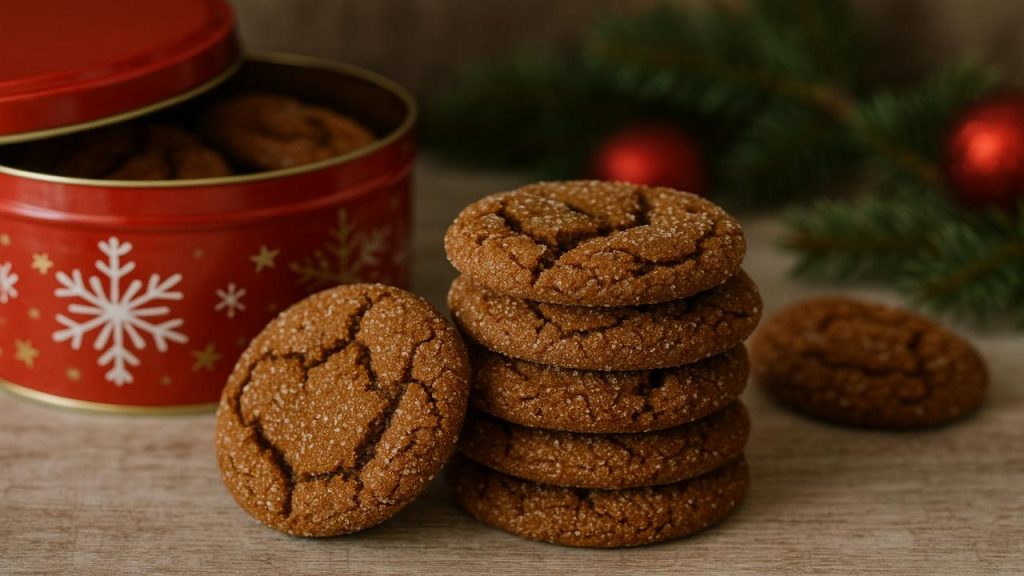
The first dough I mixed at dawn: dark molasses, cinnamon that smells like old paper and embers, a pinch of clove that wakes up the senses. The dough is sticky, forgiving; after an hour in the fridge it rolls like velvet. Rolling and cutting is a ritual—pressing a child’s mitten cutter into the warm, brown dough, the edges leaving a soft halo of fine flour. Baking releases a steam that smells like a hearth, and the cookie comes out with crisp edges and a tender center that snaps just enough. I cool these on a rack while brushing on a little glaze that beads up and holds sprinkles—tiny, edible constellations.
Classic Cutouts with Royal Icing: The Canvas Cookies
Sugar dough is plain at first, like an untouched snowfield. I beat butter until it sighs, then add sugar, eggs, and a whisper of vanilla. It’s the dough that begs to be decorated, so I roll it thin and cut stars and trees and bells. Royal icing is the paint: glossy, quick-setting, and capable of the tiniest lines. Decorating becomes meditative—piping a border that looks like frost, flooding a center with a pale blue that reminds me of northern skies. These cookies are not merely sweet; they are the pieces of the platter that catch the eye, the edible ornaments that hold the theme together.
Chocolate Crinkles: Midnight Snow
Then comes the deep, fudgy dough—cocoa dusting the bowl like dark soil. The batter is pliant and promises a soft interior and cragged, powdered-sugar tops that look like snowfields scarred by animal tracks. Rolling them in sugar is a joyful, messy act; they crack open in the oven and exhale a chocolate steam that makes your jacket smell like a bakery. A bite is velvet and warm, a comfort that reads like a heavy winter blanket.
Orange-Cardamom Thumbprints with Raspberry Jam: Bright, Spicy Sunlight
I love thumbprints for their civility: small, thoughtful, with a thumbprint crater filled with jewel-toned jam. Adding orange zest and crushed cardamom to the dough brightens the whole platter—citrus cuts through the richer cookies, and cardamom gives an evergreen lift. The dough is sandy, tipsy with butter, and when the jam melts into the little wells, it becomes a glossy pool of warmth. As they cool, the scent is clean and floral; one bite snaps and gives way to a burst of tart fruit that feels like a pocket of sunlight.
Oat, Cranberry & Pecan Chewies: Woodland Texture
By afternoon, I switch to something more rustic: oats that creak against your teeth, dried cranberries that pop like preserved berries on a hike, and pecans for a brittle, earthy snap. These cookies are not tidy; they are textured and generous, the kind you eat with a mug of something deep and hot. I press each mound slightly before baking so they hold together but still look gnarled, as if gathered from a winter trail. The aroma is nutty and toasty; they anchor the platter, the rough-hewn companion to the precisely iced cutouts.
| Cookie | Bake Time | Yield | Key Flavor |
|---|---|---|---|
| Ginger-Molasses Men | 8–10 min | 24–30 | Molasses + Warm Spice |
| Classic Cutouts | 8–12 min | 30–36 | Butter + Vanilla |
| Chocolate Crinkles | 10–12 min | 24–28 | Rich Cocoa |
| Orange-Cardamom Thumbprints | 12–14 min | 20–24 | Citrus + Cardamom |
| Oat, Cranberry & Pecan Chewies | 10–12 min | 30–36 | Toasty + Tart |
| Peppermint Shortbread | 12–15 min | 28–32 | Mint + Butter |
| Snowball/Nut Butterballs | 12–14 min | 24–30 | Nutty + Powdered Sugar |
Timing, Workflow, and Plating
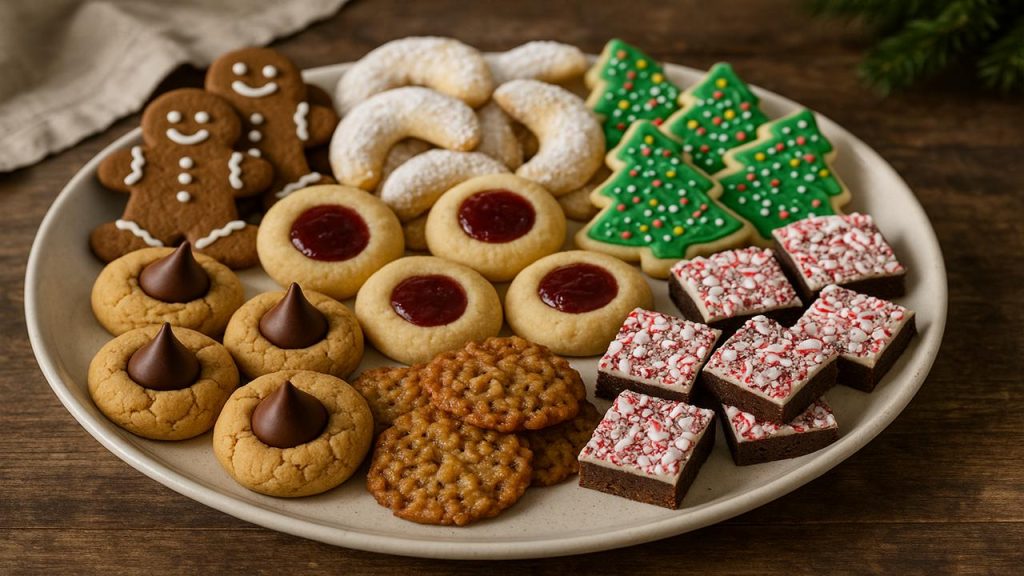
The secret to seven cookies in one day is rhythm. Start with doughs that need chilling—ginger and cutout sugar—then move to quick drop cookies like crinkles and oat clusters while the first batches cool. Multitask by using the oven every time the tray is full and keep a cooling rack space reserved; rotate racks top to bottom halfway through baking for even browning. Use small bowls for sprinkles and jam so you never pause to search; clear your counters between batches like clearing a trail. When it’s time to plate, think of the platter as a landscape: place the larger, textured cookies like the oat chewies and shortbread as boulders, nest the cutouts like evergreen trees, and scatter the small, glossy thumbprints like berries. A final dusting of powdered sugar reads like snow settling over the scene.
Frequently Asked Questions
Can all seven cookies be made in one oven?
Yes. The key is batch scheduling and temperature grouping. Bake cookies that require similar temperatures together (160–170°C / 325–350°F range). If two recipes ask for wildly different temps, adjust by a few degrees and monitor closely—cookies are forgiving if you watch for color and texture rather than the clock alone.
How do I keep iced cutouts from smudging while assembling the platter?
Allow royal icing to set completely—this can take an hour or two depending on humidity. Work on other cookies while they set, and transfer cutouts with a thin, metal spatula to avoid finger marks. If you must stack, place parchment between layers.
Can I prepare any of the doughs ahead of time?
Absolutely. Many doughs benefit from resting: ginger and cutout sugar can be made 24–48 hours ahead and kept chilled or frozen. Crinkle dough often needs chilling to hold shape. Label and flatten before refrigerating to save time when you’re ready to roll.
What’s the best way to store the finished platter if I want to make cookies a day ahead?
Keep different textures separate: delicate cookies (iced cutouts, peppermint shortbread) should be in single layers in airtight containers, while sturdier cookies (oat clusters, crinkles) can be layered with parchment. For a mixed platter, assemble on the day—store cookies separately and arrange before serving so everything looks fresh and crisp.
If you listen closely while baking, each tray will tell you when it’s done: a ring of steam, a browned edge, a cracked top. The platter at the end of the day is more than a collection of recipes—it’s a map of how you moved through the kitchen, a carousel of scents and small triumphs, and the easiest way I know to make a home feel like the season.